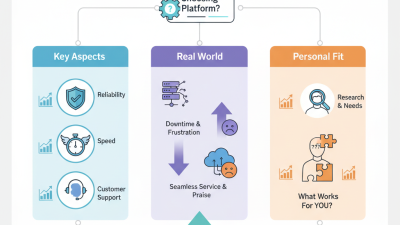
Why Do Global Buyers Choose Website Providers?
Global buyers choose website providers for more than attractive layouts. They seek reliable partners who understand local markets, user expectations, and business risks. A polished homepage may create interest, but performance builds confidence. Buyers often check loading speed, mobile usability, accessibility, and security practices before signing an agreement.
Trust grows through visible evidence. Clear case studies, verified client results, and transparent pricing reveal how a provider works. An experienced team should explain technical decisions without hiding behind complicated language. It should also offer practical support across time zones, especially when a website fails during a product launch. Small details matter. A useful dashboard. A prompt reply. A documented backup plan.
Global buyers also consider cultural accuracy. A provider may understand search optimization but overlook regional language preferences or payment habits. That mistake can weaken an otherwise strong website. No provider is flawless. Honest communication about limitations may therefore matter more than exaggerated promises. Buyers should ask how teams measure performance, protect customer data, maintain content, and respond to unexpected problems.
Professional certifications and independent reviews can strengthen credibility, but they should not replace careful evaluation. Direct conversations with past clients often reveal more than promotional claims. The strongest website providers combine technical skill, business awareness, and dependable communication. Their value appears after launch, when analytics guide improvements and real users expose weaknesses. Choosing well requires patience, evidence, and a willingness to question impressive presentations. Some decisions will still be imperfect. That is normal. A trustworthy provider makes those imperfections manageable.
What Website Providers Offer to Global Buyers
Global buyers choose website providers for more than attractive layouts. They need a reliable buying environment across languages, currencies, devices, and time zones. The 2024 Global Payments Report found that digital wallets represented about half of global e-commerce transaction value in 2023. Providers therefore need to connect stores with suitable local payment methods, not only credit cards. Small payment frictions can become expensive barriers.
Localization is practical, not decorative. Strong providers support translated product details, regional pricing, tax settings, delivery estimates, and familiar customer-service channels. They also improve mobile speed and accessibility. Baymard Institute research places average online cart abandonment near 70%. Complicated checkout remains a major weakness. Clear forms, guest checkout, visible shipping costs, and trusted security signals can reduce uncertainty before payment.
Security and measurement matter just as much. Providers should offer encrypted connections, fraud monitoring, consent controls, backups, and performance reporting. Their teams should explain these systems clearly, especially when buyers operate across different regulatory environments. Experience shows that a fast website can still fail when product information is vague. No provider gets every market right. That limitation deserves honest testing through regional user interviews, failed-payment reviews, and real delivery data. A capable provider keeps improving after launch, instead of treating the website as finished.
How Providers Meet Different Business and Market Requirements
Why Do Global Buyers Choose Website Providers?
How Providers Meet Different Business and Market Requirements
Global buyers rarely need a website that simply looks attractive. They need a practical system for different markets, devices, and customer habits. Experienced website providers begin with business goals, sales processes, and local audience research. They examine product categories, customer questions, payment preferences, and delivery expectations. A clear discovery process prevents expensive changes later.
Language support is only one part of localization. Providers may adjust page layouts, currencies, date formats, contact methods, and content tone. A checkout page should feel familiar to its target market. Technical teams also consider loading speed, mobile access, data protection, and regional accessibility requirements. These details can influence trust before a customer reads the full page. Small tests often reveal problems that planning documents miss.
Strong providers use measurable workflows. They create prototypes, test navigation with real users, and monitor search performance after launch. They can connect websites with inventory tools, customer service systems, and internal reporting platforms. However, no process is perfect. A design that performs well in one market may confuse another audience. Teams must review analytics, customer feedback, and support requests regularly. I have seen attractive websites lose inquiries because contact forms were too long. That mistake is easy to overlook. Reliable providers keep improving the site instead of treating launch day as the finish line.
Why Quality, Security, and Reliability Influence Provider Selection
Global buyers often choose website providers by testing quality before discussing price. A polished homepage matters, but it cannot hide slow loading, broken forms, or confusing navigation. During project reviews, buyers examine mobile performance, accessibility, content accuracy, and technical support. Small details reveal working standards. A missing image can damage trust quickly.
Security receives equal attention. Buyers ask how providers protect customer data, control administrator access, and detect unusual activity. They also check update procedures, encrypted connections, backups, and recovery testing. A backup that has never been restored is only a promise. That point deserves more attention than it usually receives.
Reliability becomes visible during difficult moments. Clear service agreements, monitoring, maintenance schedules, and reachable support teams reduce operational uncertainty. Buyers prefer providers who explain risks honestly instead of promising perfect uptime. One overlooked dependency can still cause an outage. This is where professional judgment matters. Experienced teams document changes, test deployments, and communicate delays before customers discover them. Independent reviews and transparent case evidence strengthen authority, but evidence should remain specific. Vague claims feel polished. They are not always dependable. Some buyers may also reconsider their assumptions after a failed launch, because low initial cost can create higher repair costs later.
What Criteria Global Buyers Use to Compare Website Providers
Global buyers compare website providers through evidence, not attractive portfolios alone. They examine loading speed, mobile usability, security, localization, and long-term support. Speed matters. A provider should show real performance data from comparable websites, not only laboratory screenshots. The 2024 Web Almanac reports that many websites still struggle to meet Core Web Vitals, making performance a practical differentiator. Buyers should request field data from actual users across regions, because a site may feel fast in one country and slow in another.
Security is equally measurable. The 2024 Data Breach Investigations Report found that human involvement appeared in 68% of reported breaches. Buyers therefore compare access controls, update procedures, backup testing, and incident response plans. Trust is visible. They also review accessibility practices, language workflows, currency support, and privacy safeguards. These details reduce friction for international visitors and internal teams. However, a polished proposal can conceal weak maintenance. I have seen delivery timelines sound precise while ownership after launch remained unclear.
Cost comparisons need more discipline. Baymard Institute’s 2024 research places average online cart abandonment at about 70%, often linked to complicated checkout experiences. Buyers should ask whether the provider will test forms, payments, content, and analytics after deployment. They should compare the full three-year cost, including hosting, revisions, integrations, training, and emergency support. The cheapest quote can become expensive when every small change requires a new contract. A useful comparison sheet records response times, named responsibilities, measurable targets, and examples of problems solved under pressure.
Why Do Global Buyers Choose Website Providers?
What Criteria Global Buyers Use to Compare Website Providers
Security, performance, scalability, and reliable support are the strongest evaluation factors for global buyers.
International capabilities such as multilingual content, accessibility, and regional payment support also influence provider selection.
Benchmark score from 0 to 100, synthesized from commonly reported global B2B website procurement priorities and international web standards.