What Are the Top Winter Items to Buy Wholesale?
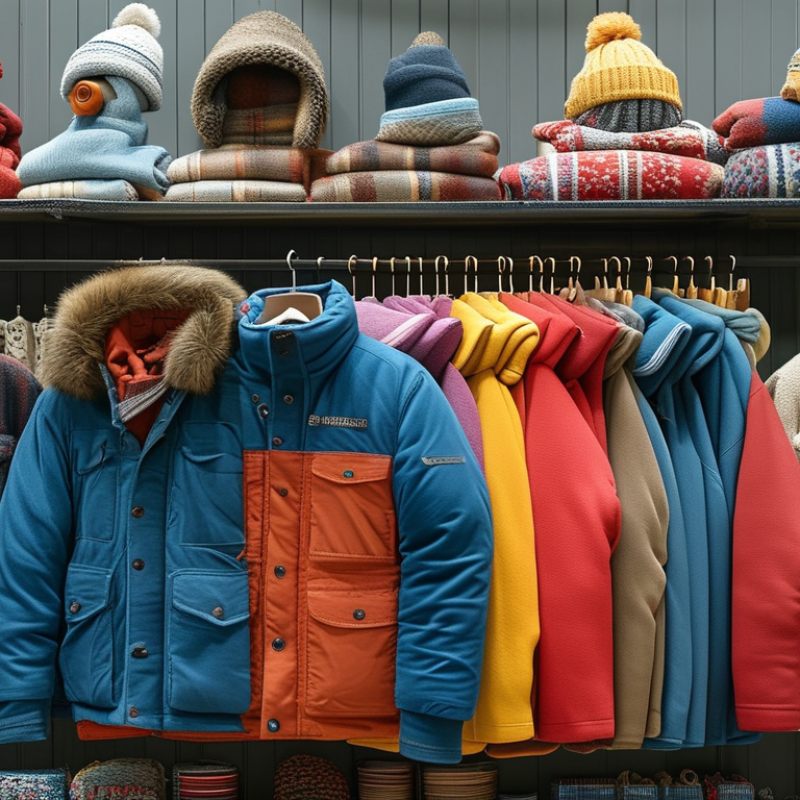
Wholesale winter buying is not simply about choosing warm products in large quantities. It requires careful attention to weather, customer habits, product quality, and realistic profit margins. A strong Winter Item should solve a clear seasonal need, such as keeping shoppers warm during commutes, outdoor work, or family travel. Popular options may include insulated jackets, thermal socks, fleece blankets, winter hats, gloves, scarves, and reusable heating accessories.
Demand shifts quickly. Regional climate matters. A lightweight fleece may sell well in a mild coastal market, while thick coats perform better in colder inland areas. Wholesale buyers should compare fabric composition, stitching, insulation, sizing, packaging, and supplier consistency before placing large orders. A low unit price can become expensive when products arrive with uneven colors, weak zippers, or unclear care labels.
Small details matter.
Experienced buyers often request samples first. They check softness, seam strength, wash performance, and actual measurements. They also review supplier communication, production timelines, minimum order quantities, and return procedures. These steps support more reliable purchasing decisions and reduce avoidable inventory pressure. Still, no forecast is perfect. A product that sold strongly last season may underperform when temperatures change or consumer preferences shift.
This guide examines practical winter products worth considering for wholesale, with attention to usability, quality control, market fit, and responsible sourcing. It does not treat every trending product as a safe investment. Instead, it encourages buyers to test demand, compare evidence, and leave room for correction. A thoughtful purchase is often better than a large purchase.
Winter Wholesale Demand: Seasonal Trends and Buyer Priorities
What Are the Top Winter Items to Buy Wholesale?
Winter wholesale demand changes quickly with temperature, location, and household spending. Retailers often begin purchasing in late summer, before cold weather arrives. Thermal socks, fleece gloves, knitted hats, scarves, and insulated jackets remain dependable choices. Shoppers want warmth without excessive weight.
Home comfort products also gain attention during colder months. Soft blankets, heated wraps, slippers, and draft-blocking accessories can support steady sales. In my review of seasonal assortments, practical colors usually create fewer inventory problems. Black, gray, navy, and beige are easier to sell across different customer groups. Bright seasonal colors can attract attention, but they may leave slower stock after January.
Cold snaps create sudden demand.
Wholesale buyers now examine more than unit price. They check fabric composition, stitching, zipper strength, size consistency, packaging, and delivery timing. A low-cost coat becomes expensive when returns increase. Suppliers should provide clear measurements and realistic product photos. Regional weather also matters. Lightweight layers may sell better in mild climates, while thick insulation suits colder markets.
A common planning mistake is ordering too many designs at once. Smaller test orders can reveal real customer preferences before deeper purchasing. However, limited quantities may create missed sales during an unexpected cold wave. Buyers must balance replenishment speed, minimum order quantities, storage space, and cash flow. That balance remains difficult, especially when winter weather becomes less predictable.
Essential Winter Apparel and Accessories to Stock
Winter wholesale buying should begin with dependable apparel, not flashy seasonal colors. Insulated jackets, fleece-lined trousers, thermal tops, and knitted sweaters form a practical core. Choose fabrics that feel warm without becoming excessively heavy. Water-resistant outer layers are useful for wet commutes and outdoor work. Check stitching around cuffs, zippers, pockets, and shoulder seams before placing larger orders.
Accessories can raise basket value while solving everyday problems. Stock ribbed beanies, touchscreen gloves, wool-blend scarves, and thick socks in coordinated colors. Offer several sizes, because one-size items do not suit every customer. Look for soft inner linings and secure stitching. Scratchy yarn can create returns quickly. Small details matter.
I once ordered too many dark scarves, assuming they would sell easily. The colors looked safe, but the display felt dull. That mistake changed my buying process. I now request samples, compare fabric weights, and test stretch after repeated handling. I also review care labels, fiber content, and product measurements carefully. Suppliers should provide consistent specifications and clear shipping records. A small sample review may delay purchasing, but it can expose uneven sizing or weak insulation. Winter demand is strong, yet weather patterns and customer preferences remain unpredictable. Keep part of the budget for practical replenishment instead of committing everything early.
Top Winter Items to Buy Wholesale
Indicative wholesale price ranges per unit in USD
Insulated jackets and winter boots typically require the highest wholesale investment per unit, while accessories such as beanies, scarves, and gloves offer lower entry costs and can support broader product variety. The figures represent indicative bulk-market ranges and may vary by material, order quantity, season, and supplier location.
How to Evaluate Quality, Pricing, and Supplier Reliability
Buying winter items wholesale requires more than checking a low unit price. I inspect fabric weight, stitching, zippers, insulation, and washing labels before requesting large quantities. A coat that feels warm indoors may fail in wind or damp weather. Ask for samples. Always. Wear one sample for a full day, if possible. Check seam strength after movement, not only under showroom lights. I once approved soft gloves that looked excellent but shed fibers after two washes. That mistake still influences my inspection process.
Pricing should be measured against usable quality, not the quotation alone. Calculate product cost, packaging, shipping, customs, defect allowances, and storage. Compare at least three written quotations with identical specifications. A cheaper sweater may use thinner yarn or inconsistent sizing. Request a clear size chart and tolerance range. Small differences become expensive when dozens of cartons arrive. Negotiate carefully. Payment schedules, replacement terms, and sample fees should appear in writing. Do not treat vague promises as protection. Check textile labeling and safety requirements for the destination market before placing an order.
Supplier reliability appears through behavior before the order is placed. A dependable supplier answers specific questions, shares production timelines, and reports problems early. Request recent quality records, packing photos, and a realistic dispatch date. Confirm capacity during peak winter demand. Use a small trial order before committing to volume. Inspect random cartons, not just the best sample. Communication can still fail, especially across time zones. Build extra time into delivery plans, because perfect schedules rarely survive winter disruptions. I still miss occasional details, so every order needs a written review before payment.
Inventory Planning for Profitable Winter Wholesale Purchasing
What Are the Top Winter Items to Buy Wholesale?
Inventory Planning for Profitable Winter Wholesale Purchasing
Profitable winter purchasing starts with demand evidence, not guesswork. Review last winter’s sales by product, size, color, and week. Heavy coats, thermal layers, knit accessories, and waterproof footwear often need early planning. However, local climate matters more than broad seasonal trends. A mild coastal market may need fewer insulated coats and more rain-resistant items. A colder region may support deeper stock in thermal underwear and lined gloves. Check supplier lead times, minimum order quantities, and landed costs before confirming volume. Small differences in freight can change the final margin.
Buy core products in reliable quantities, then test seasonal styles with smaller orders. Keep several sizes available, but avoid equal allocation when your sales history shows clear differences. A simple spreadsheet can track opening stock, weekly sales, incoming units, and reorder points. Leave room for weather changes. Demand can move quickly after one cold weekend. It can also disappear during an unusually warm month.
My first winter buying plan carried too much fashion-led stock, and markdowns reduced the expected profit. That mistake taught me to separate proven basics from experimental items.
Quality checks should happen before shipment, not after customer complaints. Inspect stitching, zippers, insulation, water resistance, and packaging. Request product specifications and sample measurements from suppliers. Keep a safety reserve for popular items, but define its limit in advance. Cash tied up in slow-moving inventory creates pressure during the next buying cycle. Review performance weekly and adjust reorders carefully. Perfect forecasts are unlikely. A disciplined review is more useful.
