How to Choose the Best Hosting Sites for Your Website?
Choosing the right hosting sites for your website is crucial. With over 1.8 billion websites live today, having reliable hosting makes a difference. According to a recent report by Statista, website loading speed affects user experience significantly. A mere second delay can result in a 7% loss in conversions. This is why selecting the best hosting site demands careful consideration.
Many business owners overlook key details. They focus solely on price and miss features like uptime, customer support, and scalability. A survey by HostingAdvice revealed that 40% of users prioritize uptime guarantees. Knowing this helps in making informed decisions. Additionally, security features are essential. Over 30,000 websites are hacked daily, highlighting the importance of robust security in your hosting choice.
Different hosting sites offer varying benefits. Not all providers cater to the same needs. Some excel in shared hosting, while others specialize in dedicated servers. Reflecting on these factors can lead to a better match for your project. Ignoring specifics may result in future complications. Making a thoughtful choice now can save time and money later.

Understanding Website Hosting Types and Their Features
When starting a website, understanding hosting types is crucial. Shared hosting is popular for beginners. It’s cost-effective and easy to manage. However, resource limitations can hinder performance during traffic spikes. Many small businesses face this challenge.
VPS hosting provides more flexibility. It offers dedicated resources, allowing better website performance. The setup is more complex and can require technical knowledge. Not every business owner is prepared for this. Dedicated hosting is a powerful option for high-traffic sites. It offers complete control but comes with higher costs.
Cloud hosting is gaining traction due to its scalability. You pay only for what you use. Yet, understanding this model can be confusing. It's essential to assess your needs before choosing. Each type has its pros and cons, making the selection process not so straightforward.
Comparison of Different Website Hosting Types
Evaluating Key Performance Indicators for Hosting Services
When selecting hosting services, key performance indicators (KPIs) are vital. Start with uptime. A reliable host needs a high uptime percentage. Aim for at least 99.9%. Downtime can disrupt your business and frustrate users. Even a small percentage can lead to lost traffic and revenue.
Next, consider speed. Page loading times impact user experience and SEO rankings. Choose a provider that offers optimized servers and technology. Research shows that users abandon sites that take too long to load. It could be just a few seconds, but it makes a difference.
Evaluate customer support as well. A responsive and helpful support team is crucial. Look for 24/7 availability. Quick response to issues can save you from bigger problems. You might face challenges that require immediate assistance. A slow, unresponsive support service can leave you stuck. All these factors are essential to reflect on while making your choice.
Assessing Customer Support Options and Availability
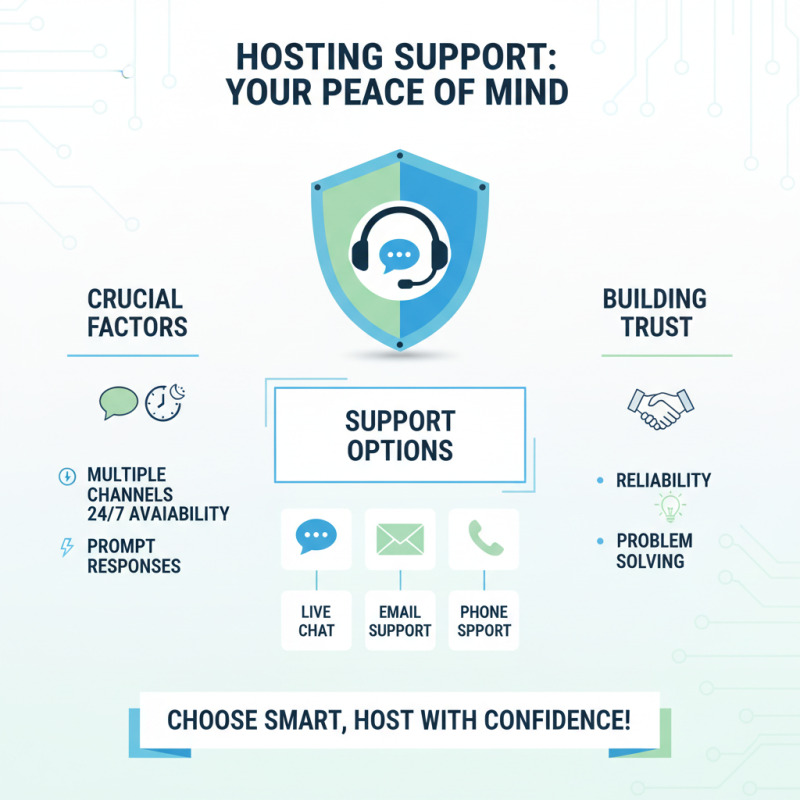
When choosing a hosting site, customer support is crucial. Look for providers that offer multiple support channels. Live chat, email, and phone support are great options. Also, consider the availability of support. Can you get help on weekends or at night? A hosting service that answers promptly builds trust.
Take time to review customer feedback. Some services may promise excellent support but fail to deliver. Read real experiences from users. A simple issue can become a big problem without access to help. Reflect on the quality and accessibility of the support offered.
It’s easy to overlook customer support when browsing. However, it can save time and frustration later. Imagine trying to fix a server issue on a Sunday and finding no one available. This scenario highlights the importance of good support. Assessing these factors carefully can make a significant difference for your website.
Comparing Pricing Plans and Renewal Rates of Hosting Providers
When selecting a hosting provider, pricing plans are crucial. You might find low initial prices that seem attractive. However, many providers have high renewal rates. According to a recent industry report, nearly 70% of users experienced significant price increases upon renewal. This discrepancy can lead to frustration as you budget for your website.
It's important to read the fine print. Some services advertise low monthly fees but add hidden charges. A study indicated that 45% of customers reported unexpected fees when renewing their plans. These extra costs can significantly affect your total expenditure. Understanding these pricing structures can help you avoid regrets later on.
Moreover, options vary greatly across providers. While some may offer enticing features at low prices, others provide robust support for a higher fee. Differentiating between necessary services and upsells requires critical evaluation. Reflect on what your website truly needs. Avoid being swayed by flashy advertising. This helps ensure your hosting choice aligns with your long-term goals.
How to Choose the Best Hosting Sites for Your Website? - Comparing Pricing Plans and Renewal Rates of Hosting Providers
| Hosting Plan Type |
Initial Pricing |
Renewal Pricing |
Storage |
Bandwidth |
Free Domain |
| Shared Hosting |
$2.99/month |
$7.99/month |
10 GB |
Unmetered |
Yes |
| VPS Hosting |
$19.99/month |
$29.99/month |
30 GB |
1 TB |
Yes |
| Dedicated Hosting |
$79.99/month |
$99.99/month |
500 GB |
10 TB |
No |
| Cloud Hosting |
$15.00/month |
$25.00/month |
20 GB |
Up to 5 TB |
Yes |
| Managed WordPress Hosting |
$12.99/month |
$22.99/month |
15 GB |
Unmetered |
Yes |
Identifying Security Features and Reliability Standards in Hosting
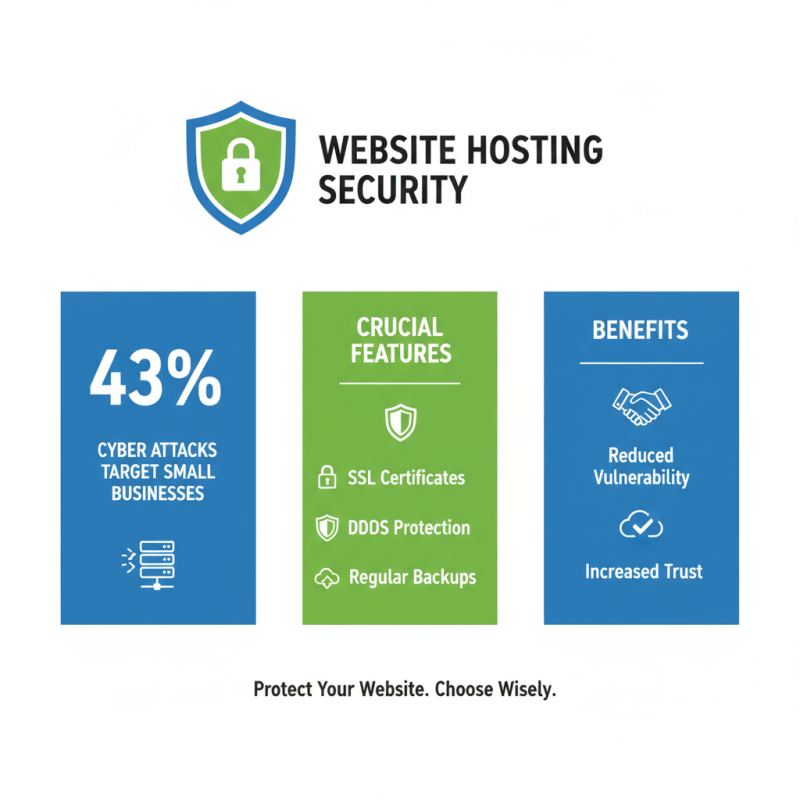
When selecting a hosting site for your website, security features and reliability standards are crucial. Research indicates that 43% of cyber attacks target small businesses. This statistic highlights the urgent need for robust security measures. Look for hosts that provide SSL certificates, DDoS protection, and regular backups. These features can significantly reduce your vulnerability.
Reliability is equally important. A study by the Uptime Institute shows that outages can lead to significant revenue loss. Sites experience approximately 90 minutes of downtime per month on average. Choose hosting providers with at least a 99.9% uptime guarantee. Some providers also offer a Service Level Agreement (SLA), which defines their commitment to availability and performance.
It’s worth noting that not all security measures are foolproof. Some may seem effective but have hidden flaws. Regularly reviewing your hosting provider’s security protocols can help you identify potential weaknesses. Lastly, remember that transparency in security practices is essential. Providers that openly share their security audits display a commitment to customer safety.